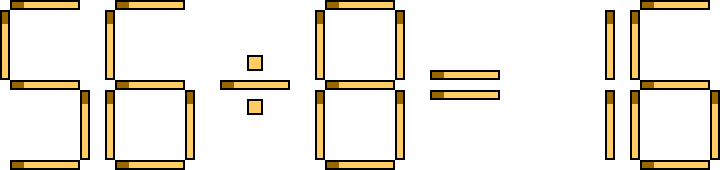
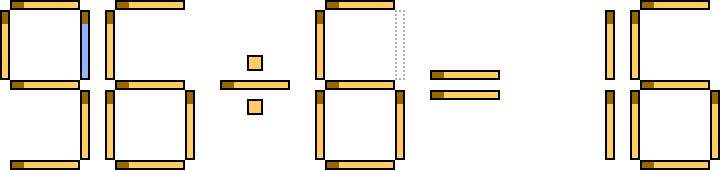
Hint
The answer is 4 digits long, so what must G equal?
Answer
423 + 675 = 1098.
Reasoning
Remembering that:
even + even = even
odd + odd = even
even + odd = odd
To discuss individual letters, it's easiest to represent the sum as:
A B C
D E F +
————————
G H I J
A + D has to be over 9, which means that G = 1.
B + E = I, is even + odd = odd, which means that we can't have a carry from C + F (otherwise it would have been even + odd + 1, which is even).
The 1 has already gone, so the smallest possible value for either C or F is 3, which means that the other can't be 7 or 9 (otherwise we'd have a carry).
Therefore, C and F are 3 and 5, but we don't know which is which. But we do now know that J = 8.
A + D = H, is even + even = even, which means that we can't have a carry from B + E. Therefore, E can't be 9, as this would force a carry. So E = 7.
I is the only remaining odd number, so I = 9.
Which means that B = 2.
Neither A nor D can be 0 (otherwise we would have two of the same digit). So, H = 0.
Therefore, A and D are 4 and 6 (but we don't yet know which is which).
Since the top row's digits have to add to 9, A can't be 6, so A = 4, making C = 3.
This makes the sum 423 + 675 = 1098.
?
Puzzle 354
During a recent expedition, three intrepid adventurers were left stranded in the middle of the desert with only a crate full of apples.
During the night, Alex woke up and decided to hide some of the apples and hid a third, then promptly fell asleep again.
Billie woke up shortly after and also decided to hide a third of the remaining apples and then also dozed back to sleep.
Finally, Charlie woke up and seeing the others were asleep, took a third of what was left.
Of course, none of the adventurers knew of the other's antics, so, in the morning, they shared the remaining apples, each receiving sixteen. How many apples were in the crate originally?